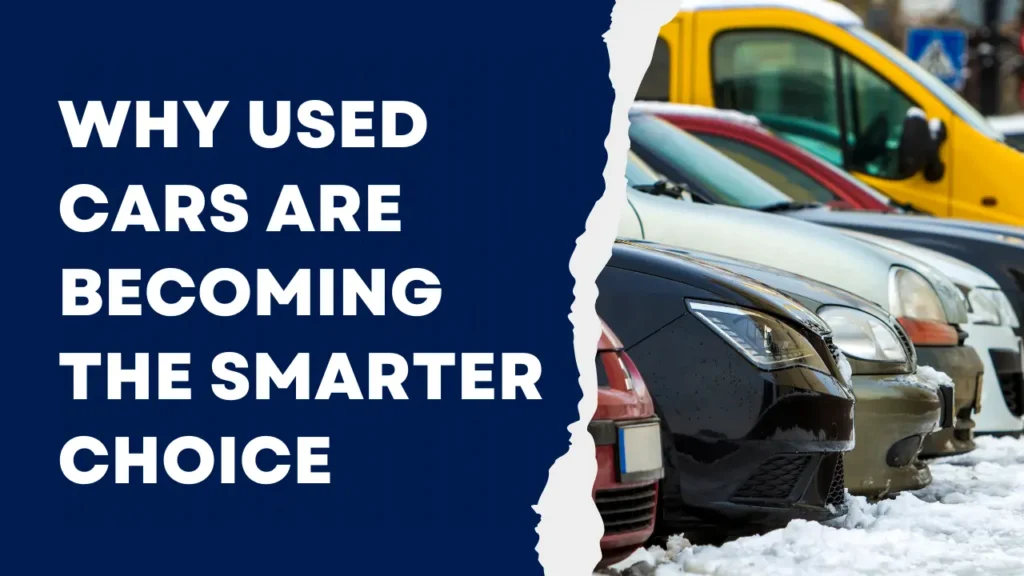
Used cars are becoming the smarter choice because they offer better value, lower prices, slower depreciation, and reliable performance without the financial pressure of buying new. Today’s used cars are safer, more durable, and easier to evaluate than ever before. For many buyers, choosing a used car is no longer a compromise—it is a smart, well-informed decision.
If you are searching for affordable cars, planning smart car buying, or comparing used cars vs new cars, this beginner’s guide will help you understand every aspect clearly and confidently.
The Big Shift in Car Buying Behavior
Car buyers today think differently than they did a decade ago. Earlier, owning a brand-new car was seen as a status symbol. Now, buyers focus more on value, practicality, and long-term costs.
The used car market has matured. Transparency has improved. Buyers have access to price comparisons, inspection reports, and service histories. This shift has made second hand cars more trustworthy and desirable.
At the same time, new car prices continue to rise due to safety regulations, technology upgrades, and manufacturing costs. As a result, more people are asking a simple question: why pay more when used cars can meet the same needs?
Used Cars vs New Cars: Understanding the True Difference
The biggest difference between used cars and new cars is not features—it is financial impact.
A new car loses a significant portion of its value very quickly. This immediate loss affects buyers who plan to sell or upgrade later. Used cars, on the other hand, have already passed through the steepest depreciation phase.

From a practical viewpoint, used cars allow buyers to stretch their budget further. Many people can afford a higher segment, better comfort, or a more powerful engine when choosing used.
When you compare ownership costs, the gap becomes even clearer. Insurance premiums, registration fees, and taxes are generally lower for used cars. Over time, this adds up to meaningful savings.
Why Depreciation Makes Used Cars a Smart Decision
Depreciation is one of the most important but least understood aspects of car buying. New vehicles typically lose a large percentage of their value in the first year. After that, the rate slows.
Low depreciation cars protect your money. This is where used cars shine. When you buy after the initial depreciation period, you pay closer to the car’s real market value.
This also improves used car resale value later. When it is time to sell, you lose less money compared to selling a new car after a short ownership period. For buyers who think long-term, this makes used cars a logical choice.
Modern Reliability: Why Used Cars Last Longer Today
One of the biggest concerns about used cars is reliability. However, this concern is often based on outdated experiences.
Modern vehicles are built with better materials, improved engineering, and advanced quality control. Engines, transmissions, and suspension systems are designed to last longer with regular maintenance.
Many reliable used cars today easily handle years of daily use. Service records, diagnostic tools, and inspections further reduce uncertainty. This makes used cars a safe option for commuting, family use, and even long-distance travel.

Certified Pre-Owned Cars: Confidence for Cautious Buyers
Certified pre-owned cars have changed how people view the used car market. These vehicles go through detailed inspections and meet specific quality standards.
A certified program often includes verified service history and a limited used car warranty. This structure helps buyers who want extra reassurance without paying the price of a new car.
For beginners, certified pre-owned cars act as a bridge between new and used. They offer trust, transparency, and predictable ownership experience.
Why Ignoring Car Rules Is Riskier Than Before.
Lower Ownership Costs That Matter Every Month
The real cost of a car is not just the purchase price. It includes insurance, maintenance, repairs, and running expenses.
Used car ownership costs are usually lower across all these areas. Used car insurance cost is reduced because the car’s insured value is lower. Replacement parts are often easier to find and more affordable, especially for popular models.
Maintenance costs are also predictable. Many used cars have well-documented service requirements, making budgeting easier. Over several years, these savings make a noticeable difference.
Used Car Financing and EMI: Easier Than Ever
Many buyers assume financing is only suitable for new cars. That is no longer true.
Used car financing options have expanded significantly. Banks and financial institutions offer structured plans with transparent terms. Buyers can calculate used car EMI in advance and choose a plan that fits their income.
While interest rates may vary depending on car age and condition, the overall loan amount is usually lower than a new car loan. This reduces financial pressure and supports smarter budgeting.
 Epic VinFast VF 6 Electric SUV – Full Specs, Price, Range & Features That Will Spark Your EV Dreams
Buy Used Car Online or Visit a Dealership?
Buying behavior has changed with technology. Today, buyers can buy used car online with detailed listings, inspection reports, and price comparisons.
Online platforms offer convenience, wider selection, and time-saving research. Many also provide return policies and support services.
A used car dealership, however, offers direct inspection and negotiation. Some buyers prefer seeing the car in person before deciding.
Both options work well if transparency is maintained. The key is verifying documents, condition, and ownership history regardless of where you buy.
Used Cars for First-Time Buyers: A Safer Start
For first-time buyers, used cars are often the best entry point into car ownership.
They reduce financial risk and allow buyers to learn without heavy pressure. Small dents or scratches feel less stressful. Maintenance costs are easier to manage.
Used cars for first-time buyers also encourage practical decision-making. Instead of overextending financially, buyers can focus on learning driving habits, maintenance basics, and real usage needs.
Environmental Benefits: A Sustainable Way to Own a Car
Choosing a used car is not just a financial decision—it is also an eco-friendly car choice.
Manufacturing a new car requires raw materials, energy, and transportation. Buying used extends the life of an existing vehicle and reduces overall environmental impact.
Sustainable car buying focuses on responsible consumption. By choosing used, buyers contribute to reduced waste and lower carbon emissions. This makes used cars appealing to environmentally conscious consumers.
Why Car Maintenance Feels More Expensive Than Ever.
Best Used Cars to Buy: What Really Matters
The best used cars to buy are not defined by brand alone. They are defined by condition, maintenance history, and suitability for your needs.
 Why Car Reels Are Going Viral on Instagram In 2026 | Secrets Behind Millions of Views & Followers
Cars with proven reliability records, simple mechanical systems, and strong service networks usually offer better long-term ownership experience.
Instead of focusing only on features, buyers should evaluate how well the car has been maintained. A properly serviced car is always a safer choice than a neglected newer one.
Inspection Is Non-Negotiable: Follow a Checklist
Inspection is the foundation of smart used car buying. A proper used car inspection checklist includes checking body condition, tires, brakes, engine sound, and interior electronics.
Documentation matters just as much. Ownership history, service records, and insurance details reveal how the car was used.
A test drive is essential. It helps identify issues that are not visible when the car is parked. For added confidence, professional inspections are worth considering.
Timing Your Purchase: When to Buy Used Cars
Timing can influence pricing and availability. The best time to buy used cars is often when new models are launched, as older versions enter the resale market.
Seasonal trends and year-end periods may also offer negotiation opportunities. However, the right car at the right condition should always take priority over discounts.
Being patient and prepared helps buyers act quickly when a good option appears.
Used Cars as a Practical Investment
While cars are not traditional investments, used car investment focuses on minimizing loss.
By choosing models with stable demand and low depreciation, buyers protect their spending. Maintaining service records further improves resale potential.
When managed well, a used car becomes a controlled expense rather than a financial burden.
Common Misunderstandings About Used Cars
Many myths still influence buying decisions. One common belief is that used cars are unreliable. In reality, condition and maintenance matter more than age.
Another myth suggests limited choice. The used car market often offers more variants and discontinued models than the new market.
Understanding these realities helps buyers make informed decisions instead of emotional ones.
Step-by-Step Used Car Buying Guide for Beginners
Start by defining your budget and needs. Research suitable models and compare market prices. Shortlist based on condition, not appearance alone.
Inspect thoroughly and verify documents. Negotiate logically based on findings. Complete paperwork carefully and ensure ownership transfer is correct.
Following this structured approach reduces risk and improves satisfaction.
Why Used Cars Fit Today’s Lifestyle Better
Modern lifestyles demand flexibility. Used cars support this by offering lower commitment and easier upgrades.
For urban driving, occasional travel, or family needs, used cars deliver practical performance without unnecessary expense.
They align well with changing priorities, making them suitable for a wide range of buyers.
Why Many Indians Are Delaying Car Purchases.
Conclusion: The Real Reason Used Cars Are the Smarter Choice
Used cars are becoming the smarter choice because they match how people actually live and spend today. They offer affordability, reliability, and flexibility without sacrificing comfort or safety.
With better information, improved transparency, and evolving buyer awareness, used cars are no longer second best. They are a practical, responsible, and value-driven solution for modern car buyers.
When chosen carefully, used cars provide confidence, savings, and long-term satisfaction.
Frequently Asked Questions (FAQs)
Are used cars reliable for everyday driving?
Yes. With proper maintenance and inspection, many used cars deliver years of dependable performance.
What are the main benefits of used cars?
Lower purchase price, reduced depreciation, lower insurance costs, and better overall value.
Is financing available for used cars?
Yes. Used car financing options with flexible EMI plans are widely available today.
Are certified pre-owned cars worth it?
They are ideal for buyers who want extra confidence, inspections, and limited warranty coverage.
What should I check before buying a used car?
Inspect condition, verify documents, review service history, and always take a test drive.
Are used cars suitable for first-time buyers?
Yes. They reduce financial stress and offer a practical learning experience.
When is the best time to buy used cars?
Model change periods and year-end seasons often provide better opportunities.
Is buying a used car environmentally friendly?
Yes. It supports sustainability by extending vehicle life and reducing manufacturing demand.

Aditya Misra is a car and bike lover who enjoys everything about automobiles. He has a lot of experience with both new and old vehicles and loves sharing his knowledge and excitement. From trying out the latest models to fixing up classic bikes, Aditya’s writing is full of helpful tips and fun stories for anyone who loves cars and bikes.