The Hyundai Creta Electric is on sale in India right now. It launched on 17 January 2025 at the Bharat Mobility Global Expo, and after the June 2026 revision it costs ₹18.03 lakh to ₹24.70 lakh (ex-showroom). You choose between a 42 kWh battery with a Hyundai-claimed 420 km range and a 51.4 kWh pack claimed at 510 km. Everything below is the current, verified picture — variant prices, real-world range, charging times, running costs and how it stacks up against the Maruti e Vitara, Tata Curvv EV, MG ZS EV and Mahindra BE 6.
In the world of electric vehicles (EVs), Hyundai has made significant strides with the Hyundai Creta Electric SUV. The Creta has been one of the most popular compact SUVs in India, known for its stylish design, comfortable features, and robust performance. With the electric version of the Creta, Hyundai set out to offer a sustainable, efficient, and futuristic driving experience — and, unusually for an EV in this segment, it did so without redesigning the car into something unfamiliar.
This comprehensive guide walks you through everything you need to know about the Hyundai Creta Electric, from its price and launch date to its key features and specifications. Whether you’re an EV enthusiast or someone looking for a new car, this guide will help you make an informed decision.
Quick Answer: Hyundai Creta Electric at a Glance
| Is it on sale? | Yes — launched 17 January 2025, available across Hyundai dealerships in India |
| Price (ex-showroom) | ₹18.03 lakh – ₹24.70 lakh, following the 1 June 2026 revision |
| Battery options | 42 kWh and 51.4 kWh lithium-ion |
| Claimed range | 420 km (42 kWh) · 510 km (51.4 kWh) — Hyundai’s own figures |
| Realistic range | Roughly 300–320 km and 380–420 km in mixed driving, per independent road tests |
| Fast charging | 10–80% in about 39 minutes on a 100 kW DC charger |
| Best for | Families who want a familiar Creta with lower running costs and a home charging point |
Key Takeaways
- The Creta Electric is not an upcoming car — it has been on sale since January 2025, and any page still calling it “expected” is out of date.
- Prices rose selectively on 1 June 2026, by ₹500–₹700 on most variants. Several entry variants were left untouched.
- The 51.4 kWh pack is the one to have if you drive intercity; the 42 kWh pack is comfortably enough for city and suburban use.
- Hyundai quotes 420 km and 510 km. At launch the certified MIDC figures were 390 km and 473 km. Plan your buying decision around the road-tested numbers, not the sticker.
- Charging at home on a 7.4 kW AC box takes roughly 6 hours — a normal overnight charge.
- Level 2 ADAS, a panoramic sunroof, ventilated front seats, dual 10.25-inch screens and V2L are available, but not on every variant.
- On a home tariff, running costs work out near ₹1 per kilometre versus roughly ₹6 for the petrol Creta — the single strongest argument for the electric version.
Introduction to Hyundai Creta Electric SUV
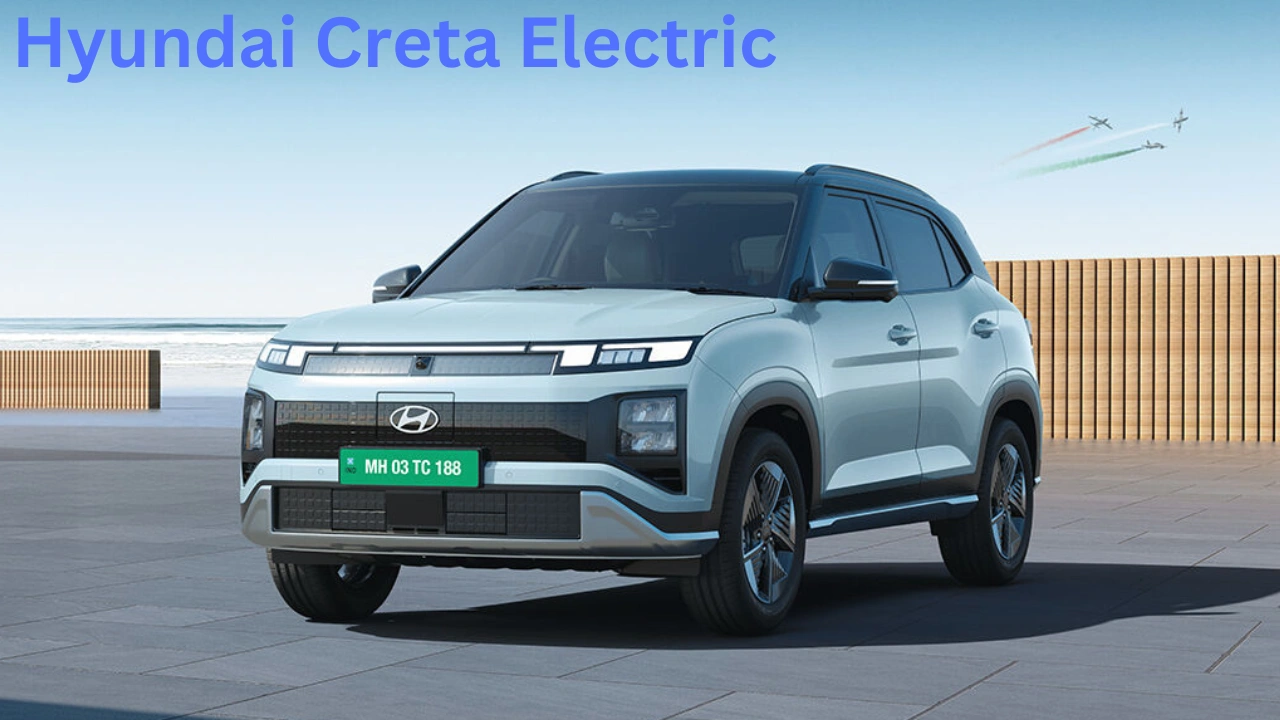
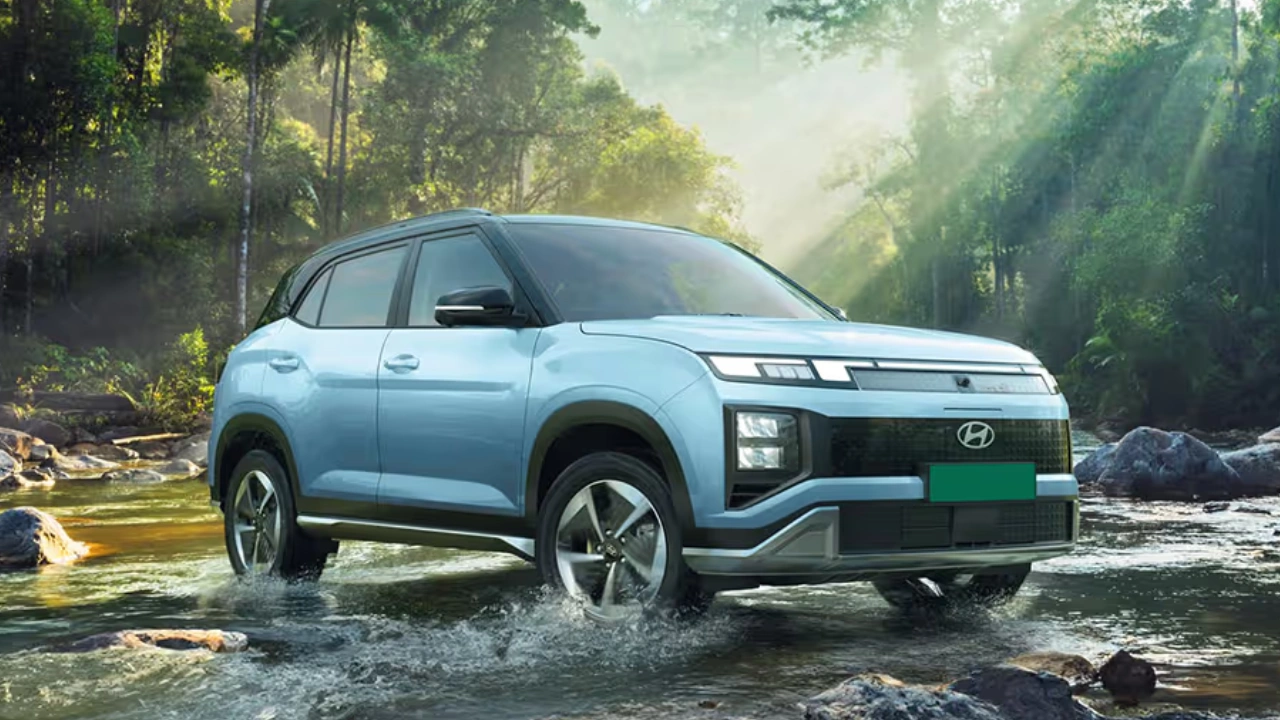
The Hyundai Creta Electric is the electric version of the popular Hyundai Creta SUV. As demand for electric vehicles continued to rise in India, the South Korean carmaker brought its best-selling compact SUV to the electric vehicle market. The Creta Electric delivers the features that made the petrol version a hit, but with the added benefits of zero tailpipe emissions and dramatically lower running costs.
Electric vehicles have become more than just a trend; they are now a lifestyle choice for many drivers looking to reduce their carbon footprint and lower fuel costs. The Hyundai Creta Electric combines innovation with performance, providing a top-tier driving experience for modern consumers.
What separates it from most rivals is deliberate familiarity. Mahindra and Tata used their electric SUVs as an excuse to reinvent the dashboard, the door handles and the driving position. Hyundai did the opposite: the Creta Electric looks, sits and feels like a Creta. For a buyer moving from petrol to electric for the first time, that is a feature, not a missed opportunity.
Hyundai Creta Electric: Key Specifications and Features
| Feature | Details |
|---|---|
| Launch Date | 17 January 2025, Bharat Mobility Global Expo |
| Price | ₹18.03 lakh – ₹24.70 lakh (ex-showroom, from 1 June 2026) |
| Battery Options | 42 kWh and 51.4 kWh lithium-ion |
| Range | 420 km (42 kWh) and 510 km (51.4 kWh), claimed by Hyundai |
| Motor Power | 135 PS (42 kWh) · 169 PS (51.4 kWh) |
| Torque | 200 Nm on both battery packs |
| 0-100 km/h Acceleration | 7.9 seconds, claimed, with the 51.4 kWh pack |
| Charging Time (Fast Charger) | 10–80% in about 39 minutes at 100 kW; about 58 minutes at 50 kW |
| Charging Time (Home Charger) | About 6 hours on a 7.4 kW AC wall box; about 4 hours 50 minutes on 11 kW |
| Infotainment System | Dual 10.25-inch displays, wireless Apple CarPlay and Android Auto |
| Safety Features | 6 airbags, ABS with EBD, ESC, hill-start assist, Level 2 ADAS on higher variants |
| Interior | Premium upholstery, spacious cabin, powered and ventilated front seats on top trims |
| Boot Space | 433 litres |
| Ground Clearance | 190–200 mm depending on load |
| Drive Modes | Eco, Normal, Sport, plus automatic regenerative braking |
| Booking | Open now, online or at any authorised Hyundai dealership |
| Warranty | 8 years or 1.6 lakh km on the battery pack — confirm exact terms in your variant’s warranty booklet |
| Colours | Atlas White, Abyss Black, Fiery Red Pearl, Robust Emerald Matte, Ocean Blue Metallic, Starry Night, Titan Grey, plus dual-tone options |
Disclaimer: Prices, range figures and feature availability in this table were verified against Hyundai India’s own published material and leading Indian automotive listings in August 2026. Ex-showroom prices change without notice and vary by state; on-road pricing adds registration, road tax and insurance. Always confirm the current figure with your dealer before booking.
Hyundai Creta Electric Launch Date and Availability
The most common question about the Hyundai Creta Electric used to be when it would launch. That question is settled: the Creta Electric was launched in India on 17 January 2025, unveiled at the Bharat Mobility Global Expo alongside the rest of Hyundai’s India EV plans. Deliveries began the same quarter.
If you have read an older article promising a “late 2025” arrival, it was written before the launch and never updated. The car has now been on Indian roads for more than a year and a half, which means something more useful than speculation is available: real ownership data, real service experience and real resale behaviour.
The Hyundai Creta Electric SUV is sold through the regular Hyundai dealer network rather than a separate EV channel, which matters more than it sounds. Servicing happens where petrol Cretas are serviced, and parts availability rides on the same supply chain as India’s best-selling mid-size SUV. That is a meaningful advantage over EV-only brands with thin service footprints.
Hyundai Creta Electric Price in India
Pricing is always a critical factor when purchasing a car, and the Hyundai Creta Electric price is no different. The car launched at ₹17.99 lakh as an introductory figure, settled at a ₹18.02 lakh entry point, and was revised again on 1 June 2026. That revision was selective rather than across the board: most variants went up by ₹500 to ₹700, while several — including Executive Tech, Premium and Executive (O) — were left exactly where they were.
Here is the current variant-by-variant picture, ex-showroom:

| Variant | Battery | Price (ex-showroom) | Change on 1 Jun 2026 |
|---|---|---|---|
| Executive | 42 kWh | ₹18,02,800 | +₹600 |
| Executive Tech | 42 kWh | ₹18,99,900 | No change |
| Premium | 42 kWh | ₹19,99,900 | No change |
| Excellence Knight | 42 kWh | ₹21,45,400 | +₹500 |
| Excellence Dual Tone with HC | 42 kWh | ₹22,18,500 | +₹700 |
| Executive (O) Long Range | 51.4 kWh | ₹19,99,900 | No change |
| Smart (O) Long Range | 51.4 kWh | ₹21,53,700 | +₹600 |
| Excellence Knight Long Range | 51.4 kWh | ₹23,82,100 | +₹600 |
| Excellence LR Dual Tone Knight with HC | 51.4 kWh | ₹24,70,000 | Top of range |
The single most interesting number in that table is ₹19,99,900 for the Executive (O) Long Range. It buys the bigger 51.4 kWh battery for the same money as the Premium trim on the smaller pack. If range matters more to you than ventilated seats, that is the value pick of the entire range, and it is the variant most buyers overlook because it sits low in the trim ladder.
This pricing places the Hyundai Creta Electric squarely in the heart of India’s electric SUV market, against the Tata Curvv EV, MG ZS EV, Maruti e Vitara and Mahindra BE 6. Remember that ex-showroom is not what you pay: budget roughly 8–10% on top for registration, road tax and insurance, though several states still waive or reduce road tax on EVs, which can swing the on-road figure by more than a lakh depending on where you register.
Hyundai Creta Electric Features: What to Expect?
The Hyundai Creta Electric SUV is packed with an impressive array of features that appeal to both tech enthusiasts and those who appreciate comfort and luxury. Here are the standout features:
- Modern Design: The Creta Electric retains the bold, modern look of the petrol version, with sleek lines and a closed-off front fascia in place of the grille. LED headlights, alloy wheels and a panoramic sunroof are available, and the pixelated light signature marks it out as the electric car in the range.
- Advanced Infotainment: Dual 10.25-inch displays span the dashboard — one for instruments, one for infotainment — with wireless Apple CarPlay, Android Auto and Bluetooth connectivity. Hyundai’s BlueLink connected car technology lets you precondition the cabin and check charge status remotely, which is more useful on an EV than it ever was on a petrol car.
- Safety Features: Six airbags, ABS with EBD, electronic stability control (ESC) and hill-start assist are standard fare, and higher variants add Level 2 ADAS — forward collision warning, adaptive cruise control, lane-keeping assist and blind-spot monitoring.
- Interior Comfort: Premium materials, a spacious cabin, dual-zone climate control, powered front seats with memory and ventilated front seats on top trims. The flat floor of the EV platform frees up rear foot space the petrol Creta does not have.
- Vehicle-to-Load (V2L): The Creta Electric can power external devices from its own battery — genuinely useful during an outage, on a camping trip, or for running a laptop and a kettle at a site office.
- NFC Digital Key: Your phone or a card can act as the key, and access can be shared without handing over a fob.
These are just some of the features the Hyundai Creta Electric offers. It combines design, technology, and comfort to deliver a genuinely well-rounded package. If you are cross-shopping, our guide to the Maruti Suzuki e Vitara covers the newest entrant in this segment.

Hyundai Creta Electric Range and Battery Details
Range is the number most buyers fixate on, and the Creta Electric gives you two honest choices rather than one compromise. Hyundai claims 420 km from the 42 kWh pack and 510 km from the 51.4 kWh pack. At launch, the certified MIDC figures quoted were 390 km and 473 km respectively — worth knowing, because you will see both sets of numbers quoted across the internet and neither is a misprint.
The Hyundai Creta Electric battery is a lithium-ion unit in both cases. The larger pack does not merely add range; it also brings a more powerful motor, 169 PS against 135 PS, so the Long Range variants are quicker as well as further-reaching.
On charging, a DC fast charger takes the battery from 10% to 80% in about 39 minutes at 100 kW, or roughly 58 minutes on the more commonly found 50 kW units. For home charging, Hyundai quotes about 6 hours from 10% to 100% on a 7.4 kW AC wall box, dropping to around 4 hours 50 minutes if you have access to an 11 kW supply.
The combination of usable range and quick charging makes the Hyundai Creta Electric a practical option for daily use — provided you can charge where you park. That last condition is the real decision point, and it is covered in detail further down.
Real-World Range: What the Creta Electric Actually Delivers
Claimed range and delivered range are different things, and pretending otherwise is how buyers end up disappointed. Independent Indian road tests put the Creta Electric at roughly 300–320 km from the 42 kWh pack and 380–420 km from the 51.4 kWh pack in mixed driving. That is a shortfall of about 20–25% against the claimed figures, which is entirely normal for the MIDC cycle and no worse than its rivals.
What moves the number, in rough order of impact:
- Sustained highway speed. Above about 90 km/h, aerodynamic drag dominates. An expressway run at 110 km/h can cost you a quarter of your range against the same distance in town.
- Air conditioning in peak summer. Indian summer cabin cooling is a real load. Precondition the car while it is still plugged in and you spend grid power instead of battery.
- Traffic — which helps. Unlike a petrol Creta, stop-start city traffic is where an EV is most efficient, because regenerative braking returns energy every time you slow down.
- Payload and roof boxes. Five adults, luggage and a roof carrier will visibly move the range estimate.
A practical planning rule: assume 75% of the claimed figure for mixed use, and 65% if you are doing a fast highway run in summer. On the 51.4 kWh pack that still means roughly 330 km of hard highway driving between charges, which covers most intercity routes in a single stop.
Charging the Hyundai Creta Electric: Home, Work and Highway
The honest test of whether an EV suits you is not range. It is where the car sleeps.
Home charging is the whole economic argument. A 7.4 kW AC wall box on a dedicated circuit refills the 51.4 kWh pack overnight in about six hours, and you wake up to a full battery every morning. If you live in an independent house with a parking spot, this is straightforward. If you live in an apartment, secure written society permission and a dedicated meter before you book the car — this is the single most common thing buyers leave until after delivery, and it is the one that causes real problems.
Workplace charging, where available, effectively doubles your practical range because the car charges during the hours it would otherwise sit idle.
Public DC fast charging is for journeys, not for daily use. At 100 kW you are looking at roughly 39 minutes from 10% to 80% — long enough for a meal, short enough not to derail a trip. Two habits matter: charge to 80% rather than 100% on the road, because the last 20% is deliberately slowed to protect the cells, and check charger availability on an app before you commit to a detour.
Battery care. For daily use, keeping the state of charge roughly between 20% and 80% is gentler on a lithium-ion pack than routinely running it to empty or leaving it sitting at 100%. Charge to full when you actually need the range, not as a habit.
Running Costs: Creta Electric vs Petrol Creta
This is where the Creta Electric earns back its price premium, and the arithmetic is simple enough to check yourself.
| Cost factor | Creta Electric (51.4 kWh) | Petrol Creta (1.5 NA) |
|---|---|---|
| Energy consumed per 100 km | About 13 kWh | About 5.9 litres |
| Assumed unit price | ₹8 per kWh (home tariff) | ₹105 per litre |
| Fuel or energy cost per km | About ₹1.05 | About ₹6.20 |
| Cost per 15,000 km year | About ₹15,700 | About ₹93,000 |
| Scheduled servicing | Lower — no oil, filters, spark plugs or clutch | Higher, and more frequent |
| Brake wear | Reduced by regenerative braking | Normal |
Assumptions: 400 km real-world range from a 51.4 kWh pack, 17 km/l for the petrol Creta in mixed use, home charging at a domestic tariff, 15,000 km driven a year. Public fast charging costs considerably more per unit than home charging — if you cannot charge at home, recalculate at your local charger’s tariff before assuming the savings hold.
On those assumptions the electric version saves roughly ₹77,000 a year in energy alone. Against a price premium of a few lakh over a comparably equipped petrol Creta, the break-even lands somewhere around the four-to-five year mark for a 15,000 km-a-year driver — sooner if you drive more, later if you drive less or depend on public charging. Add lower servicing costs and, in many states, reduced road tax, and the case strengthens further. Our explainer on why electric cars are getting cheaper in India covers the policy side of this in more detail.
Hyundai Creta Electric Interior: Comfort Meets Technology
When it comes to comfort, the Hyundai Creta Electric interior is spacious, modern, and equipped with the latest tech. You get premium upholstery, adjustable seating, and ample legroom for both driver and passengers. The cabin uses high-quality materials throughout, ensuring a genuinely premium feel.
The twin 10.25-inch displays are the centrepiece, giving easy access to apps, navigation, and vehicle settings. Hyundai offers multiple USB charging ports, wireless charging, and a premium sound system to enhance the driving experience. Powered front seats with memory and ventilated cushions feature on higher trims, along with dual-zone climate control.
Two details are specific to the electric version. The flat floor, a consequence of the battery packaging, makes the middle rear seat genuinely usable rather than a punishment. And the steering wheel carries a Morse code “H” in place of the usual badge — a small piece of design confidence that owners tend to notice and like.
Boot space stands at 433 litres, which is competitive for the class and enough for a family’s weekend luggage. Overall, the Hyundai Creta Electric interior blends practicality and luxury, ensuring that every drive feels special.
Hyundai Creta Electric Performance and Top Speed
The performance of the Hyundai Creta Electric SUV does not disappoint. The electric motor offers strong, immediate acceleration and smooth driving. With the 51.4 kWh pack, Hyundai claims 0 to 100 km/h in 7.9 seconds — quick for an SUV in this segment, and noticeably brisker than any petrol Creta. The 42 kWh version makes 135 PS against the Long Range car’s 169 PS, with both producing 200 Nm of torque available from a standstill.
Three drive modes — Eco, Normal and Sport — change throttle response and, in Eco, cap power draw to stretch range. Regenerative braking is adjustable, including an automatic mode that reads the road ahead and varies the level for you.
On top speed, a note on honesty: Hyundai does not publish an official top-speed figure for the Creta Electric, and independent Indian road tests have not established one either. Figures in the 150–160 km/h region circulate online, but treat them as estimates rather than verified specifications. In practical terms it is limited well above any legal Indian speed limit, and the more relevant number is the 7.9-second sprint that determines how it feels in traffic.
The electric powertrain delivers a quiet, smooth, and powerful ride, making both city driving and longer road trips genuinely relaxing.
Hyundai Creta Electric vs Rivals: How It Compares in 2026
The Creta Electric no longer competes with the Tata Nexon EV and MG ZS EV alone. The ₹16–25 lakh electric SUV bracket is now the most contested part of the Indian EV market. Here is where it stands, on ex-showroom prices as of August 2026:
| Model | Price (ex-showroom) | Battery | Claimed range | Its strongest card |
|---|---|---|---|---|
| Hyundai Creta Electric | ₹18.03 L – ₹24.70 L | 42 / 51.4 kWh | 420 / 510 km | Familiarity, dealer network, resale confidence |
| Maruti e Vitara | ₹15.99 L – ₹20.21 L | 49 / 61 kWh | 440 / 543 km | Lowest entry price, largest service network |
| Tata Curvv EV | ₹16.99 L – ₹19.49 L | 55 kWh | 502 km | Coupe styling and range per rupee |
| MG ZS EV | ₹17.99 L – ₹20.75 L | 50.3 kWh | 461 km | Long-established, heavily discounted |
| Mahindra BE 6 | ₹18.90 L – ₹28.49 L | 59 / 79 kWh | 557 / 683 km | Outright range and driving theatre |
Read that table honestly and the Creta Electric does not win on range per rupee — the Mahindra BE 6 and Tata Curvv EV both beat it there, and the Maruti e Vitara undercuts it at entry. What it wins on is everything a spreadsheet does not capture: a shape buyers already trust, a cabin that asks nothing new of you, a dealer in every town, and the strongest resale reputation in the segment. For a first EV in a family that has owned petrol Hyundais, those are not small things. For a buyer who wants the most kilometres per lakh, they may not be enough. See also our comparisons of the Mahindra XEV 9e and MG Windsor EV Pro.
Which Hyundai Creta Electric Variant Should You Buy?
- City-only driver, tight budget: Executive 42 kWh at ₹18.02 lakh. Roughly 300 km of real-world range is more than a week of city driving for most people.
- The value pick: Executive (O) Long Range at ₹19,99,900. The big battery for Premium-trim money. If you take one recommendation from this guide, take this one.
- Best all-rounder: Smart (O) Long Range at ₹21.53 lakh, which adds meaningful comfort and safety equipment on top of the larger pack.
- If you want everything: Excellence Long Range Knight, with ADAS, ventilated seats and the full display suite.
- Skip: the top dual-tone Knight with heads-up display at ₹24.70 lakh, unless the cosmetics matter to you specifically. At that money the Mahindra BE 6 offers substantially more range.
Hyundai Creta Electric Booking Process and Availability
Bookings are open now. You can book the Hyundai Creta Electric SUV through Hyundai’s official website or at any authorised dealership, and the booking amount is refundable in line with Hyundai’s standard terms. Waiting periods vary by variant, colour and city — the Long Range trims and the newer colours typically take longest.
Ask the dealer three specific questions before you pay: the current waiting period for your exact variant and colour, whether a home charger installation and site survey are included in the price, and what the on-road figure is in your state after any EV road-tax concession. The third question alone can change the deal by more than a lakh.
Hyundai Creta Electric Review: What Experts Are Saying
Now that the Creta Electric has been on sale for more than a year, expert opinion has settled into a consistent picture. Reviewers generally praise the ride quality, the refinement, the feature count and the sheer ease of the transition from petrol — the car asks nothing new of its driver. The criticisms are equally consistent: rivals offer more range for the money, and the top variants push into territory where larger, longer-legged EVs become available.
The overall reception has been positive, with particular credit for how well Hyundai integrated the electric powertrain without compromising what made the Creta India’s best-selling mid-size SUV. If you are also considering a compact SUV from the same stable, our KIA Syros SUV review makes a useful companion read, and the Tata Harrier EV is worth a look if your budget stretches further.
Before You Book: Seven Things to Check
- Confirm you can charge where you park. Get society or landlord permission in writing before booking, not after delivery.
- Check your state’s EV road tax position. Concessions differ sharply between states and change the on-road price materially.
- Ask what the charger installation actually includes. Cable runs, a dedicated meter and civil work are sometimes quoted separately.
- Read the battery warranty terms yourself. Note what is covered, what counts as degradation, and whether the coverage transfers to a second owner.
- Test drive both battery packs. The 169 PS Long Range car feels meaningfully different from the 135 PS version.
- Map the fast chargers on your regular routes. Do this before you buy, not on your first long trip.
- Get the on-road quote in writing. Insurance for EVs is priced differently, and the difference belongs in your calculation.
EV Terms Explained
- kWh (kilowatt-hour): the size of the battery, the EV equivalent of fuel tank capacity. Bigger means more range.
- MIDC: the Modified Indian Driving Cycle, the standardised lab test behind claimed range figures. Real-world driving is consistently more demanding.
- DC fast charging: high-power public charging that bypasses the car’s onboard charger, measured in kW. Higher kW means faster charging, up to the car’s own limit.
- Regenerative braking: the motor works in reverse when you lift off, slowing the car and returning energy to the battery.
- V2L (Vehicle-to-Load): using the car’s battery to power external appliances through an adapter.
- ADAS Level 2: driver-assistance systems that can control both steering and speed in some conditions. It assists — it does not drive for you.
FAQs About Hyundai Creta Electric SUV
When was the Hyundai Creta Electric launched in India?
The Hyundai Creta Electric was launched in India on 17 January 2025 at the Bharat Mobility Global Expo. It is on sale now — this is not an upcoming vehicle.
What is the price of the Hyundai Creta Electric in India?
The Creta Electric costs between ₹18.03 lakh and ₹24.70 lakh ex-showroom, following the price revision of 1 June 2026. On-road prices are higher and vary by state.
What is the driving range of the Hyundai Creta Electric?
Hyundai claims 420 km from the 42 kWh battery and 510 km from the 51.4 kWh battery. In real-world mixed driving, expect roughly 300–320 km and 380–420 km respectively.
What is the battery capacity of the Hyundai Creta Electric?
Two lithium-ion packs are offered: 42 kWh and 51.4 kWh. The larger pack also brings a more powerful 169 PS motor in place of the 135 PS unit.
How fast can the Hyundai Creta Electric charge?
About 39 minutes from 10% to 80% on a 100 kW DC fast charger, or roughly 58 minutes on a 50 kW unit. A 7.4 kW home wall box takes about six hours for a full charge.
How much does it cost to run per kilometre?
Charging at a domestic tariff of around ₹8 per unit works out near ₹1.05 per kilometre, against roughly ₹6.20 for the petrol Creta. Public fast charging costs considerably more.
What features does the Hyundai Creta Electric offer?
Dual 10.25-inch displays, wireless Apple CarPlay and Android Auto, six airbags, Level 2 ADAS on higher variants, a panoramic sunroof, ventilated powered front seats, dual-zone climate control, V2L and an NFC digital key.
How is the performance of the Hyundai Creta Electric?
Hyundai claims 0 to 100 km/h in 7.9 seconds with the 51.4 kWh pack. Both versions produce 200 Nm of torque, available instantly, with Eco, Normal and Sport drive modes.
Which Creta Electric variant offers the best value?
The Executive (O) Long Range at ₹19,99,900. It carries the larger 51.4 kWh battery for the same price as the Premium trim on the smaller pack.
Is the Hyundai Creta Electric good for highway driving?
Yes, with planning. Expect around 330 km between charges at sustained highway speeds on the 51.4 kWh pack, so map fast chargers on your route and plan a 40-minute stop on longer journeys.
What is the warranty on the Creta Electric battery?
Hyundai’s published battery coverage for its India EV range is 8 years or 1.6 lakh kilometres. Confirm the exact terms and transferability in your variant’s warranty booklet before purchase.
Should I buy the Creta Electric or the petrol Creta?
If you can charge where you park and drive 12,000 km a year or more, the electric version pays back its premium in roughly four to five years and is quieter and quicker in the meantime. If you depend on public charging or drive very little, the petrol Creta remains the more sensible buy.
Conclusion: Is the Hyundai Creta Electric Worth Buying?
The Hyundai Creta Electric SUV has done something more valuable than revolutionising the Indian electric vehicle market — it has made switching to one feel unremarkable. It combines style, performance, and low running costs in a package that asks nothing new of a driver moving across from petrol. With a competitive price, a genuine 380–420 km of real-world range on the larger battery, quick DC charging, and running costs near a rupee a kilometre, it is a sound choice for anyone ready to make the switch.
It is not the range champion of its class, and buyers chasing maximum kilometres per rupee should look hard at the Mahindra BE 6 and Tata Curvv EV before signing. But if you want an electric SUV that your family will find immediately familiar, that any Hyundai dealer in the country can service, and that will hold its value, the Creta Electric is the most reassuring answer in the segment.
Prices, specifications and range figures in this guide were verified in August 2026 against Hyundai India’s published material and leading Indian automotive listings. Ex-showroom prices change without notice — confirm current pricing with your dealer before booking.

Aditya Misra is a car and bike lover who enjoys everything about automobiles. He has a lot of experience with both new and old vehicles and loves sharing his knowledge and excitement. From trying out the latest models to fixing up classic bikes, Aditya’s writing is full of helpful tips and fun stories for anyone who loves cars and bikes.