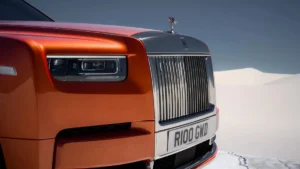
Updated September 2026: BMW has refreshed its flagship 7 Series range in India, and the story is now much simpler than the older petrol-diesel-electric mix. The current line-up centres on the petrol BMW 740, the electric BMW i7 eDrive50, and the high-performance BMW i7 M70 xDrive.
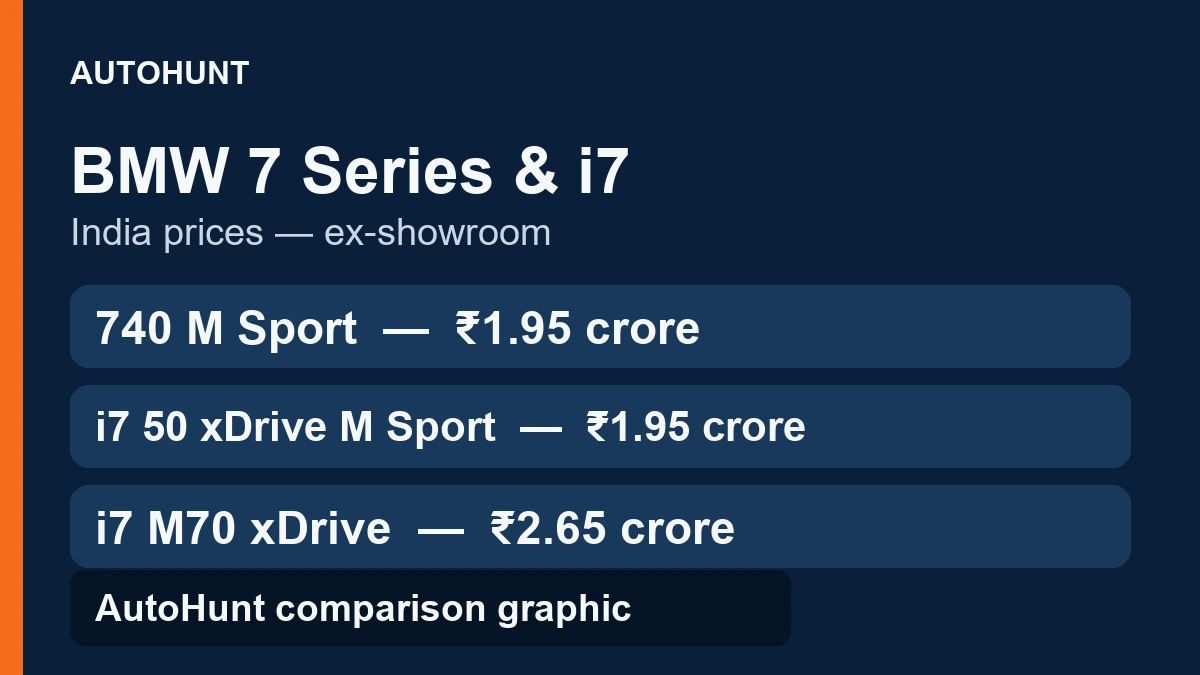
The headline prices are equally clean: the BMW 740 is priced at ₹1.95 crore, the i7 eDrive50 also at ₹1.95 crore, while the i7 M70 xDrive sits at ₹2.65 crore. All prices mentioned here are ex-showroom and should be rechecked before purchase because taxes, registration and optional equipment can change the final on-road figure.
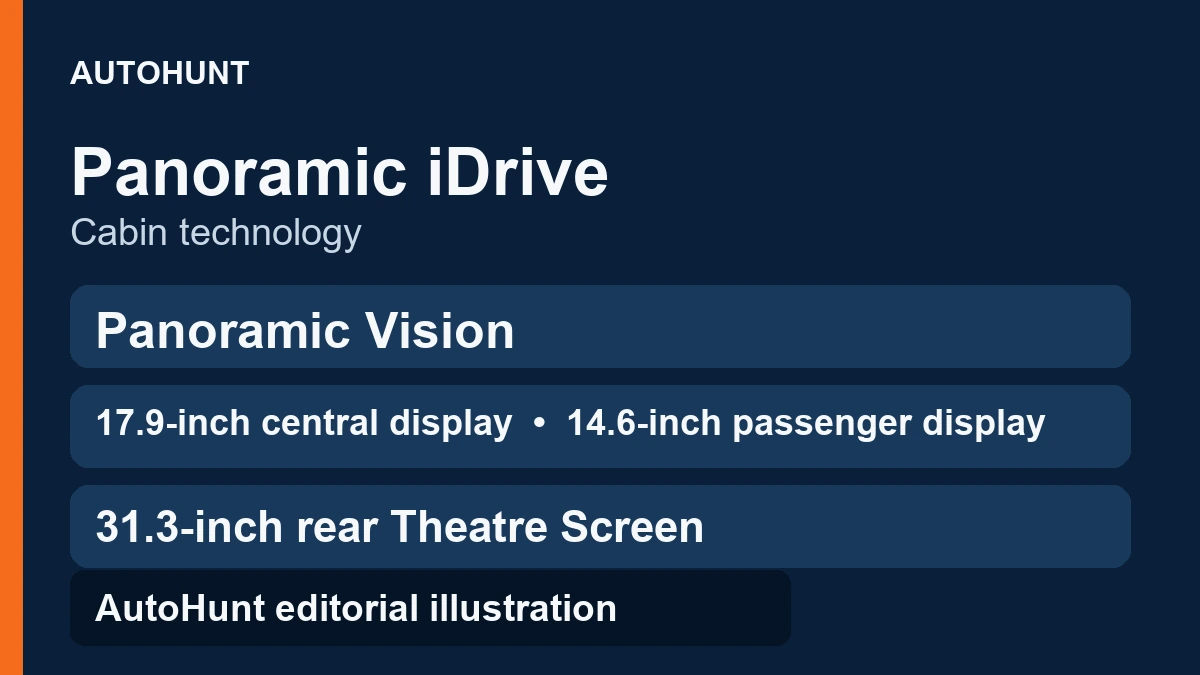
BMW has also pushed the cabin experience further with Panoramic Vision, a 17.9-inch central touchscreen, a 14.6-inch passenger display, BMW Operating System X and the familiar 31.3-inch 8K Theatre Screen for rear-seat entertainment. The result is a flagship that now feels more like a technology lounge with a choice between petrol and electric power.
BMW 7 Series and i7 2026 price in India
| Variant | Power | Torque | Price |
|---|---|---|---|
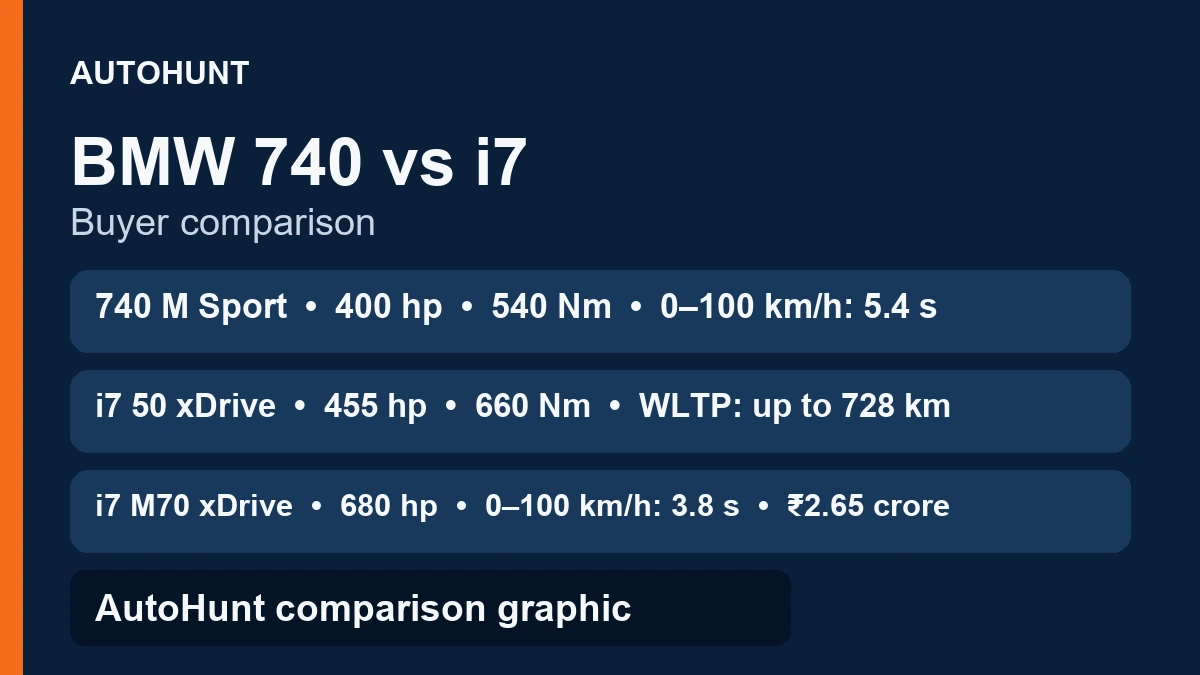
| BMW 740 | 400 hp | 540 Nm | ₹1.95 crore |
| BMW i7 eDrive50 | 455 hp | 600 Nm | ₹1.95 crore |
| BMW i7 M70 xDrive | 680 hp | Up to 1,100 Nm | ₹2.65 crore |
For many buyers, the most interesting detail is that the 740 and i7 eDrive50 now start at the same ex-showroom price. That makes the decision less about budget and more about how you plan to use the car. The petrol 740 suits buyers who want effortless long-distance travel without charging planning, while the i7 eDrive50 makes a strong case for owners who have predictable access to charging and want the quieter flagship experience.
What changed for the 2026 BMW flagship range?
The big change is not simply a new screen or another software update. BMW has reorganised the flagship around a more focused India line-up and upgraded the digital experience at the same time. The 740 remains the conventional luxury choice, while the i7 range now carries much more of the technology and performance story.
BMW says the new range introduces BMW Panoramic Vision, BMW Operating System X and the brand’s first passenger display in this flagship family. The 17.9-inch central touchscreen is joined by a 14.6-inch passenger screen, while the 31.3-inch Theatre Screen continues to be the feature most likely to impress rear-seat occupants.
This matters because the 7 Series has always been judged on two very different experiences: what it is like to drive and what it is like to be driven in. The latest cabin layout is clearly designed to serve both.
BMW 740: the traditional flagship choice
The BMW 740 is the straightforward pick for someone who wants a flagship luxury sedan but does not want to organise daily life around charging. Its petrol powertrain produces 400 hp and 540 Nm, which is more than enough for a car whose real mission is smooth, quiet and effortless progress.
It also makes sense for buyers who regularly travel between cities, use the car with a chauffeur, or simply prefer the familiar refuelling experience. The 740 is not the dramatic member of the range, but that can actually be its strength. It delivers the 7 Series experience without asking the owner to change habits.
 Ford Endeavour Price, Mileage, Specs, Features & Reviews 2025 | Off-Road SUV King In India
If you are also considering a luxury SUV rather than a sedan, AutoHunt’s BMW X7 guide gives useful context on BMW’s other flagship-style option.
BMW i7 eDrive50: same starting price, very different character
The i7 eDrive50 is arguably the most important model in the updated range because it matches the 740’s ₹1.95 crore starting price while switching the experience completely to electric. It produces 455 hp and 600 Nm and offers a WLTP range of up to 728 km.
That range figure is one of the strongest practical arguments for the i7. Real-world range will naturally depend on speed, temperature, climate-control use and driving style, but the official WLTP number gives the eDrive50 far more flexibility than a short-range city EV.
For buyers already comfortable with premium EV ownership, the i7 eDrive50 offers the combination that makes most sense on paper: strong performance, silent operation, a long official range and the same starting price as the petrol 740.
For a broader look at BMW’s EV approach, see our BMW iX review. You can also compare the idea of a luxury electric sedan with the BYD Seal guide, although the two cars occupy very different price segments.
BMW i7 M70 xDrive: the performance flagship
The i7 M70 xDrive is for the buyer who wants the flagship experience with significantly more performance. It develops 680 hp and up to 1,100 Nm, placing it far beyond the normal requirements of a chauffeur-driven luxury sedan.
Its ₹2.65 crore price is substantially higher than the 740 and i7 eDrive50, so this is not the value choice in the range. It is the emotional one: the model for someone who wants the quietness and refinement of an i7 but also wants the most powerful version available in the line-up.
That positioning is similar in spirit to other high-performance luxury EVs where outright power becomes part of the identity rather than just a specification. For another premium performance-EV perspective, read our Porsche Cayenne Electric guide.
Interior technology: where the new 7 Series stands out
The updated cabin is one of the strongest reasons to pay attention to the 2026 range. The key elements are:
- BMW Panoramic Vision
- 17.9-inch central touchscreen
- 14.6-inch front passenger display
- BMW Operating System X
- 31.3-inch 8K Theatre Screen for rear-seat entertainment
The useful point is not just that BMW has added more displays. The layout tries to distribute information and entertainment across the cabin instead of forcing every interaction through one central screen. For rear-seat users, the Theatre Screen remains a major differentiator, especially for owners who spend more time being driven than driving themselves.
That said, more screens do not automatically mean a better ownership experience. Buyers should spend time with the interface during a showroom visit and check whether the display layout, touch controls and rear entertainment system fit how they actually use the car.
Local assembly and what it means for India
BMW’s India manufacturing story is important here. The BMW 740 and i7 eDrive50 are locally assembled at BMW Group Plant Chennai, while the i7 M70 xDrive is imported as a CBU. BMW has highlighted that India is the only country apart from Germany where the i7 is locally produced.
Local assembly does not make a flagship sedan inexpensive, but it does underline how seriously BMW views the Indian luxury market. It can also help the company manage supply, model mix and pricing more effectively than an all-import range.

BMW 7 Series vs i7: which one should you buy?
| Buyer type | Best fit | Why |
|---|---|---|
| Frequent inter-city traveller | BMW 740 | Fast refuelling and no charging planning |
| Luxury EV buyer with home/office charging | i7 eDrive50 | Same starting price as 740, long WLTP range |
| Performance-focused flagship buyer | i7 M70 xDrive | 680 hp and up to 1,100 Nm |
| Rear-seat focused owner | 740 or i7 eDrive50 | Both deliver the core flagship cabin experience |
If charging access is easy at home or office, the i7 eDrive50 is particularly compelling because you do not pay a higher starting price than the 740. If charging is inconvenient or long highway journeys dominate your use, the petrol 740 remains the simpler ownership choice.
The M70 is different. It should be chosen because you specifically want the performance flagship, not because it is the most rational version.
How does it compare with other luxury flagships?
The 7 Series still competes in a small, highly specialised space. The Mercedes-Benz S-Class remains the obvious traditional rival, while Audi buyers may also look at large luxury models depending on body style and availability. Within AutoHunt, you can compare BMW’s approach with the Audi Q8 and Audi Q5 to understand how rival German luxury brands package technology and comfort in SUV form.
The key difference with the new 7 Series/i7 range is that BMW is offering petrol and electric flagship sedans side by side, with the 740 and i7 eDrive50 sharing the same starting price. That gives buyers a cleaner decision than before.
Pros and cons
What we like
- 740 and i7 eDrive50 share the same ₹1.95 crore starting price
- i7 eDrive50 offers up to 728 km WLTP range
- Cabin technology is genuinely flagship-grade
- Strong rear-seat entertainment package
- Local assembly for the 740 and i7 eDrive50
- M70 delivers exceptional performance for a luxury sedan
What to think about
- ₹2.65 crore M70 is a very expensive step up
- EV ownership still depends heavily on reliable charging access
- Screen-heavy cabin may not appeal to buyers who prefer traditional controls
- Final on-road prices can rise substantially with registration, insurance and options
AutoHunt verdict
The refreshed BMW 7 Series range is easier to understand than the older line-up and, in our view, stronger because of it. The 740 remains the sensible petrol flagship. The i7 eDrive50 is the most interesting version because it combines the same ₹1.95 crore starting price with more power, silent electric driving and up to 728 km of WLTP range. The i7 M70 xDrive is the indulgent choice for buyers who want maximum performance regardless of price.
If you are deciding between the 740 and i7 eDrive50, the real question is not which one is more luxurious. Both are. The question is whether your charging setup is convenient enough to make the electric version effortless. If the answer is yes, the i7 eDrive50 deserves serious consideration.
Frequently asked questions
What is the BMW 7 Series price in India in 2026?
The BMW 740 is priced at ₹1.95 crore ex-showroom.
What is the BMW i7 price in India?
The i7 eDrive50 is priced at ₹1.95 crore, while the i7 M70 xDrive is priced at ₹2.65 crore ex-showroom.
What is the range of the BMW i7 eDrive50?
BMW quotes a WLTP range of up to 728 km for the i7 eDrive50.
How powerful is the BMW i7 M70?
The i7 M70 xDrive produces 680 hp and up to 1,100 Nm.
Is the BMW i7 made in India?
The i7 eDrive50 is locally assembled at BMW Group Plant Chennai. The i7 M70 xDrive is imported as a CBU.
Which is better: BMW 740 or i7 eDrive50?
Choose the 740 if you want simpler long-distance ownership without charging dependency. Choose the i7 eDrive50 if reliable charging is available and you want the quieter electric flagship experience.
Source transparency: Core launch facts, prices and technical highlights in this update are based on BMW India’s September 11, 2026 launch communication. Specifications and prices can change, so confirm the final configuration with BMW India or an authorised dealer before purchase.

Rahul Panchal, 25, is an automotive reviewer with a keen eye for detail and a passion for all things on wheels. Whether it’s cars or bikes, Rahul brings an expert touch to every review, diving deep into performance, design, and the driving experience. With a love for both speed and style, he provides insightful, honest, and engaging reviews that help readers make informed decisions. When he’s not testing out the latest models, Rahul is sharing his thoughts, fueling the excitement for fellow motor enthusiasts with his informative and lively reviews.