People buy expensive cars mainly because of psychology, not logic. In the first few seconds, the decision looks emotional-status, pride, reward, and confidence drive it. Luxury cars make people feel successful, respected, and in control. That emotional return is the real reason expensive cars are chosen over cheaper alternatives.
This beginner-friendly guide explains the psychology behind expensive car choices in simple language. It goes deep into human behavior, emotions, identity, and social influence to help you clearly understand why luxury cars remain desirable across the world.
Understanding the Psychology Behind Expensive Car Choices
The psychology behind expensive car choices is rooted in human emotions, self-image, and social perception. A car is not just a vehicle. It is a symbol.
When someone chooses a premium vehicle, they are often making a statement about who they are or who they aspire to be. This is why luxury car psychology is closely connected to personal identity.
At a psychological level, expensive cars deliver:
- Emotional satisfaction
- Social validation
- A sense of achievement
- Internal confidence
This explains why many buyers prioritize how a car makes them feel rather than how affordable it is.
Why People Buy Expensive Cars Despite Practical Alternatives
Why people buy expensive cars is one of the most misunderstood questions in car buying psychology. The answer is simple: humans do not make decisions based on logic alone.
Cheaper cars can meet transportation needs, but expensive cars satisfy emotional needs. These include:
- Feeling successful
- Feeling respected
- Feeling rewarded
- Feeling different
Expensive car buying behavior shows that people are willing to pay more for emotional comfort than for functional upgrades.
Luxury Car Psychology and the Role of Status
Luxury car psychology is deeply connected to status. Humans naturally compare themselves with others. This behavior is subconscious, not intentional.
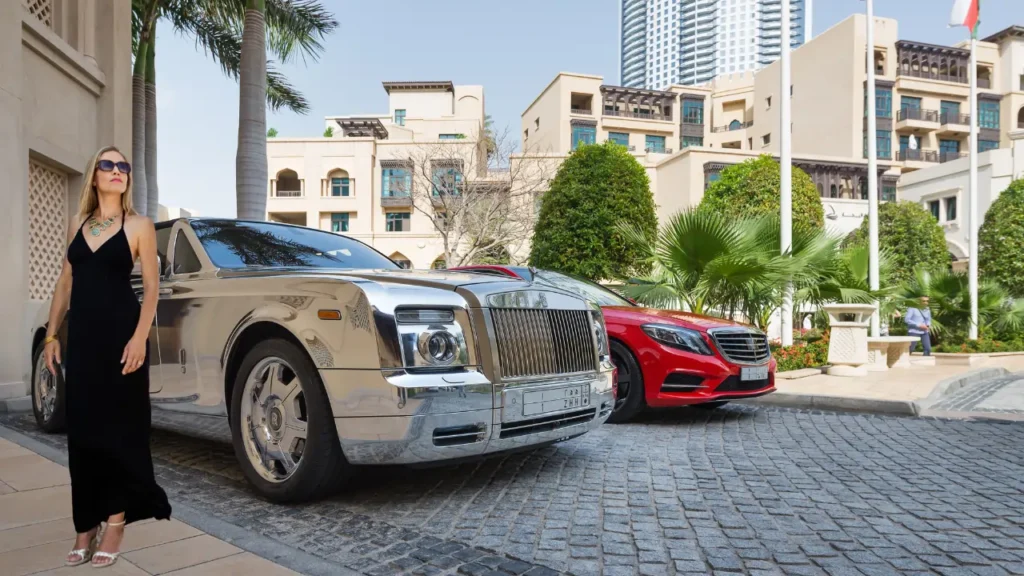
Status symbol cars psychology explains how people use visible assets to signal success. A luxury car sends signals such as:
- Professional achievement
- Financial stability
- Social influence
Expensive cars and social status are linked because cars are highly visible. Unlike savings or investments, a car communicates success instantly.
Why Electric Cars Are Replacing Petrol Cars.
Emotional Reasons for Buying Luxury Cars
Emotional reasons for buying luxury cars play a bigger role than most buyers admit. The decision often feels personal and meaningful.
Luxury cars deliver emotional benefits such as:
- Pride of ownership
- Daily happiness
- Emotional comfort
- Stress reduction
Premium car ownership psychology shows that people often buy luxury cars during emotional milestones, such as promotions, business success, or life achievements. The car becomes a personal reward.
Car Buying Psychology and Self-Identity
Car buying psychology reveals that people choose vehicles that match their identity. A car becomes an extension of personality.
Luxury cars often represent:
- Confidence
- Ambition
- Leadership
- Independence
The luxury car buyers mindset focuses on alignment between lifestyle and vehicle. When the car matches self-image, satisfaction increases significantly.
This is why luxury car lifestyle psychology matters so much in premium segments.
Why Luxury Cars Are Popular Across Income Levels
Why luxury cars are popular even among financially cautious buyers is an important psychological insight.
Luxury cars and human behavior are shaped by aspiration. People do not buy based on current income alone. They buy based on:

- Future goals
- Aspirational identity
- Desired lifestyle
Luxury car consumer behavior shows that people often stretch budgets for emotional alignment, not luxury itself.
Psychology of Luxury Cars and Perceived Quality
The psychology of luxury cars includes a strong belief: higher price equals higher quality.
This perception influences luxury car purchase decisions by reducing fear and uncertainty. Buyers assume premium cars offer:
- Better engineering
- Higher safety
- Longer reliability
- Superior craftsmanship
Even when differences are marginal, perception plays a decisive role. This is why expensive cars feel worth it to buyers.
The Biggest EV Myth Indians Still Believe.
Luxury Car Brand Perception and Trust Building
Luxury car brand perception reduces psychological risk. Buyers trust established premium brands because they represent consistency.
High-end car buyers psychology shows that trust is built through:
- Brand history
- Market reputation
- Social proof
- Peer validation
When buyers trust a brand, decision-making becomes easier and more emotionally comfortable.
Expensive Cars Motivation and the Reward Mindset
Expensive cars motivation often comes from a reward mindset. Buyers see luxury cars as proof of effort and discipline.
Common internal thoughts include:
- I worked hard for this
- This represents my journey
- I deserve this upgrade
Premium car buying psychology shows that self-reward removes guilt and strengthens satisfaction after purchase.
Luxury Car Buying Psychology and Scarcity
Luxury car buying psychology is influenced by scarcity and exclusivity. Limited availability increases desire.
Luxury vehicle psychology shows that people value:
- Limited editions
- Customization
- Exclusive ownership
Scarcity increases emotional attachment and perceived value, even before purchase.
High-End Car Buyers Psychology and Social Circles
High-end car buyers psychology is shaped by social environment. People often mirror choices seen in professional or social circles.

When luxury cars are common around someone, they feel normal rather than extravagant. This social normalization quietly drives expensive car buying behavior.
Over time, expectations shift, and premium vehicles become the default choice.
Why Expensive Cars Feel Worth It Emotionally
Why expensive cars feel worth it comes down to emotional return on investment.
Buyers experience:
- Daily satisfaction
- Enhanced confidence
- Emotional reassurance
- Identity validation
Psychology of premium cars proves that emotional benefits often outweigh financial costs in the buyer’s mind.
Car Prices vs Salaries in India.
The Mindset of Luxury Car Buyers
The mindset of luxury car buyers is not reckless. Most buyers are strategic and goal-oriented.
They value:
- Long-term satisfaction
- Experience over savings
- Emotional fulfillment
- Brand reliability
Luxury car lifestyle psychology shows that these buyers see cars as life experiences, not expenses.
Long-Term Behavioral Impact of Luxury Car Ownership
Premium car ownership psychology continues after purchase. Ownership influences behavior and self-perception.
Luxury car owners often:
- Drive with more confidence
- Take pride in maintenance
- Develop brand loyalty
- Upgrade within the same segment
This strengthens luxury car consumer behavior and long-term brand relationships.
How the Psychology Behind Expensive Car Choices Shapes the Industry
The psychology behind expensive car choices influences how brands design and market vehicles.
Manufacturers focus on:
- Emotional storytelling
- Lifestyle positioning
- Personalization
- Experience-based marketing
Understanding psychology of premium cars allows brands to connect emotionally rather than compete only on specifications.
Why Indians Prefer SUVs Over Hatchbacks & Sedans.
Conclusion
The psychology behind expensive car choices is driven by emotion, identity, status, and perceived value. People buy luxury cars not just to travel, but to feel successful, confident, and fulfilled. Luxury car psychology explains why premium vehicles remain desirable across cultures and economic conditions.
![BS6 Vs BS4 Engines – Key Differences, Emission Impact & Which One to Buy in 2025 | [Fuel Efficiency, Pollution, Cost Guide]](https://autohunt.in/wp-content/uploads/2025/05/BS6-Vs-BS4-Engines-150x150.webp)
When you understand why people choose luxury cars, it becomes clear that the decision is deeply human. It is not about cost alone. It is about meaning, motivation, and mindset.
Why do people buy expensive cars?
People buy expensive cars for emotional satisfaction, status, identity reinforcement, and self-reward.
Is luxury car buying purely emotional?
It is emotionally driven but often supported by logical justifications like quality and safety.
Are luxury cars only about showing off?
No. Emotional comfort, confidence, and personal achievement play bigger roles.
Do luxury cars really improve confidence?
Yes. Premium car ownership psychology shows a strong link between ownership and self-confidence.
Why do people feel attached to luxury car brands?
Trust, emotional connection, and consistent experience build long-term loyalty.
Are luxury car buyers impulsive?
Most buyers plan carefully and justify emotionally, not impulsively.
Why do luxury cars hold aspirational value?
They symbolize success, growth, and social mobility.
Will luxury cars remain popular in the future?
As long as humans value status, identity, and emotional rewards, luxury cars will remain desirable.

Aditya Misra is a car and bike lover who enjoys everything about automobiles. He has a lot of experience with both new and old vehicles and loves sharing his knowledge and excitement. From trying out the latest models to fixing up classic bikes, Aditya’s writing is full of helpful tips and fun stories for anyone who loves cars and bikes.