Car technology is moving faster than buyers because cars are no longer just machines — they are digital systems.
While people still buy cars every 7 to 10 years, software, AI and connected systems evolve every few months.
This gap between how fast technology changes and how slowly people adapt is why modern cars feel overwhelming.
Manufacturers must innovate to survive, even when buyers are not fully ready.
That is the real reason today’s cars feel smarter than their owners.
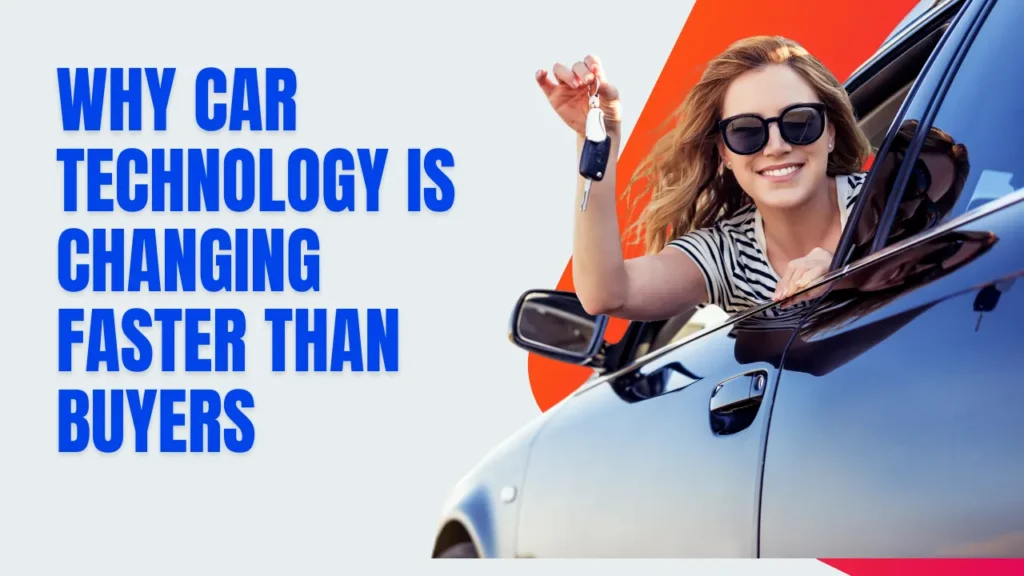
This beginner-friendly guide explains the truth behind this shift and what it means for everyday drivers.
Cars Are No Longer Just Mechanical Machines
Earlier, Car Technology was all about engines, gearboxes, and mileage. If a car had a strong engine and low maintenance, people were happy.
Today, Modern Cars run on Automotive Software. Brakes, steering, fuel systems, and even headlights are controlled by digital code. A new car now contains more computing power than a laptop.
This is why we now have Digital Cars instead of simple vehicles. They use:
- Sensors
- Cameras
- Chips
- Software
However, most buyers still see cars as metal machines. That mindset is why technology feels too fast.
Why Smart Cars Are Advancing So Rapidly
The global auto industry is no longer competing only with car brands. It is competing with tech companies.
Companies like Tesla proved that Smart Cars and AI In Cars can change the entire driving experience. Suddenly, every brand had to offer:
- Touchscreen Cars
- Connected Cars
- Vehicle Software Updates
- Smart Vehicle Technology
This forced the industry into a technology race. The result is High Tech Cars filled with features that were not even imagined ten years ago.
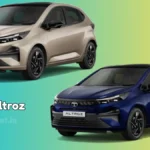 Tata Altroz 2025 – Price, Features, Mileage & Review – The Premium Hatchback You’ll Love!
But buyers did not change at the same speed.
Why Electric Cars Are Now Cheaper Than Petrol Cars.
How Software Changed The Meaning of a Car
In the past, once you bought a car, it stayed the same. Today, cars receive Over The Air Updates just like smartphones.
This means:
- Features can be added
- Bugs can be fixed
- Performance can be improved
This makes the Future Of Cars very powerful, but also confusing for many people. Buyers are not used to their cars changing after purchase.
This new digital model is one of the biggest reasons why technology is running ahead of customers.
“Your next car will know more about driving than you do — that is the real revolution.”
Why Buyers Still Think Like It Is 2010
Most people still shop for cars using:
- Mileage
- Price
- Brand
- Service cost
But today’s Intelligent Vehicles are built around:
- Automotive AI
- ADAS Technology
- Digital Vehicle Systems
- Vehicle Automation
These features are not visible like an engine. So buyers do not always feel their value.
People trust what they understand. They do not understand complex Automotive Technology yet.
Why AI Driving Feels Uncomfortable
AI Driving and Autonomous Vehicles can reduce accidents. But most drivers are still not ready to trust software with their lives.
People worry about:
- System failures
- Sensor errors
- Who is responsible in a crash.
Even though Self Driving Cars are improving, emotional trust takes time to build.
That delay keeps adoption slow, even when the technology is ready.
How Electric And Smart Cars Increased the Speed
Electric And Smart Cars rely heavily on software. Battery control, braking, charging, and safety are all managed digitally.
This forced manufacturers to build Digital Dashboard Cars and smart control systems.
As EVs grow, this technology becomes normal. But many buyers are still transitioning from simple petrol cars.
Why Showrooms Do Not Explain Technology Well
Most car dealers still focus on EMI, discounts, and resale value. They are not trained to explain:
- Smart Cars
- Automotive AI
- Digital Vehicle Systems.
This leaves buyers confused. Confused buyers delay decisions.
When technology is not explained, it feels risky.
Why Car Brands Cannot Slow Down
Car Innovation is no longer optional. Brands must show leadership in Future Car Technology to stay relevant.
If a company does not offer Advanced Driver Assistance Systems or smart features, it looks outdated.
So companies move forward even when customers hesitate.
Why Older Drivers Feel Overwhelmed
Touchscreen Cars and digital menus can feel complicated to people who grew up with physical buttons.
When driving feels stressful, people avoid advanced features. This slows adoption.
What Dealers Don’t Tell You Before You Book a Car.
How This Gap Will Close
Younger drivers grew up with apps and software. For them, Smart Vehicle Technology feels normal.
As they become the main buyers, Digital Cars will feel simple.
Conclusion
Car Technology is not moving too fast. Human habits are moving too slow.
Cars became digital, but people are still adjusting. Once understanding catches up, today’s advanced vehicles will feel natural.
Why do modern cars feel confusing?
Because they rely on Automotive Software instead of simple controls.
Are Smart Cars safer?
Yes, ADAS Technology reduces accidents.
What are Over The Air Updates?
They update car features through the internet.
Will Self Driving Cars replace drivers?
They will assist, not fully replace.
Why are buyers slow to trust technology?
Because trust grows slower than innovation.
Are Electric And Smart Cars reliable?
Yes, but they depend on software support.
Do Digital Dashboard Cars help drivers?
Yes, but they need good design.
What should buyers focus on today?
Safety, software support, and ease of use.

Aditya Misra is a car and bike lover who enjoys everything about automobiles. He has a lot of experience with both new and old vehicles and loves sharing his knowledge and excitement. From trying out the latest models to fixing up classic bikes, Aditya’s writing is full of helpful tips and fun stories for anyone who loves cars and bikes.