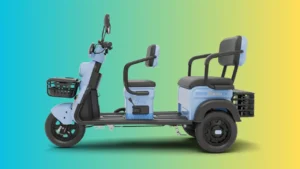
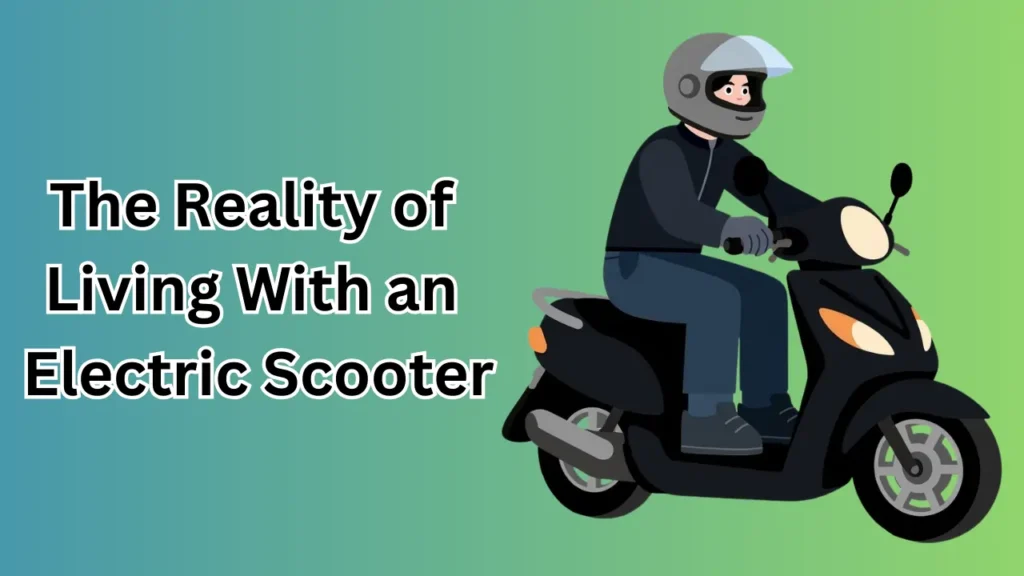
Living with an electric scooter means charging at home, spending far less on daily travel, and enjoying a quiet ride every day. However, the electric scooter reality also includes planning your charging routine, understanding real-world range, and taking care of battery health. For city commuters, an electric scooter can be one of the most economical and practical vehicles available today. But before buying one, it is important to understand the real ownership experience, including running costs, maintenance, and long-term performance.
This detailed guide explains the true experience of living with an electric scooter so beginners can make an informed decision.
Why Electric Scooters Are Becoming So Popular
Electric scooters have rapidly become one of the fastest-growing vehicle categories in many countries. Rising fuel prices, increasing environmental awareness, and improvements in battery technology have encouraged many people to switch from petrol vehicles.
Urban transportation is changing quickly. Cities are crowded, traffic is slow, and short-distance travel has become the norm. Because of this, electric scooters fit perfectly into modern commuting habits.
Several factors have contributed to their popularity:
- Increasing petrol prices
- Government EV incentives and subsidies
- Growing environmental awareness
- Improvements in lithium-ion battery technology
- Better availability of electric vehicles
Electric mobility is no longer a niche trend. It is becoming part of everyday transportation.
However, before buying one, understanding the electric scooter reality is essential.
Understanding the Electric Scooter Reality
Marketing campaigns often highlight only the positive aspects of electric scooters. While these vehicles do offer many benefits, real ownership involves practical considerations.
The electric scooter reality includes adapting to a new way of maintaining and using your vehicle.
Instead of focusing on fuel and engine maintenance, electric scooter owners focus on:
- Battery percentage
- Charging schedule
- Energy efficiency
- Range planning
At first, this adjustment may feel unusual. But after a few weeks, most riders find the routine simple and convenient.
Electric scooters behave more like smart devices than traditional vehicles. Riders quickly learn to treat the battery as the most important component.
Living With An Electric Scooter: Daily Routine and Experience
Living with an electric scooter changes your daily commuting habits in subtle but important ways.
For most riders, charging becomes part of the nightly routine. Instead of visiting petrol pumps, owners simply plug in their scooters at home.
A typical daily routine might look like this:
- Ride to work or college in the morning
- Use the scooter for errands during the day
- Return home and plug it in overnight
By morning, the scooter is fully charged and ready to go again.
Electric scooter daily life also becomes quieter and more comfortable. Because electric motors produce almost no vibration or noise, rides feel smooth and relaxing.
Many riders also appreciate the absence of engine heat during summer.
Electric Scooter Real User Experience: What Owners Say
Real riders often report that electric scooters feel surprisingly convenient after the initial adjustment period.
Electric scooter real user experience highlights several benefits that new buyers often underestimate.
First, the smooth acceleration makes city riding easier. Electric motors deliver instant torque, which helps riders move quickly in traffic.
Second, the silent operation improves the overall riding experience. Without engine noise, commuting becomes more peaceful.
Third, riders appreciate the reduced maintenance requirements. Without an engine, many common mechanical issues simply disappear.
However, long-term users also emphasize the importance of charging discipline and battery care.
Electric Scooter Real World Range vs Claimed Range
One of the most misunderstood aspects of electric vehicles is range.
Manufacturers often advertise optimistic numbers based on ideal conditions. However, everyday riding conditions are very different.
Electric scooter real world range depends on multiple factors.
These include:
- Rider weight
- Riding speed
- Acceleration habits
- Road conditions
- Traffic congestion
- Weather temperature
For example, if a scooter claims a range of 120 kilometers, the realistic electric scooter range per charge might be closer to 90 or 100 kilometers.
Understanding this difference helps riders avoid range anxiety and plan trips more effectively.
Electric Scooter Running Cost In India
One of the biggest reasons people switch to electric vehicles is the significant reduction in running costs.
Electric scooter running cost in India is dramatically lower than petrol vehicles.
A typical petrol scooter may cost around ₹2 to ₹3 per kilometer depending on fuel prices.
Electric scooters, on the other hand, often cost less than ₹0.50 per kilometer.
Electric scooter cost per km is therefore several times lower.
This difference becomes even more noticeable for people who commute daily.
For example:
A commuter traveling 1,000 kilometers per month may spend several thousand rupees on petrol. With an electric scooter, the same travel distance costs only a fraction of that amount.

Over time, these savings make electric scooters very attractive.
Electric Scooter Charging Time and Charging at Home
Charging convenience is one of the most practical advantages of electric scooters.
Electric scooter charging at home is usually simple. Most scooters come with a portable charger that connects to a normal household power socket.
Charging works much like charging a laptop.
Electric scooter charging time varies depending on battery capacity.
Typical charging times include:
- Small batteries: around 3 to 4 hours.
- Medium batteries: around 4 to 6 hours.
- Larger batteries: up to 7 hours.
Electric scooter charging cost in India is also very low. In many cases, a full charge may cost between ₹20 and ₹40.
Because of this, most riders simply charge their scooters overnight.
Electric Scooter Maintenance Cost and Servicing
Electric scooters have far fewer mechanical components compared to petrol scooters.
Traditional engines require frequent servicing because they include many moving parts.
Electric scooters eliminate components such as:
- Engine oil systems
- Fuel pumps
- Spark plugs
- Exhaust systems
As a result, electric scooter maintenance cost is usually lower.
Most maintenance involves basic components such as:
- Brake pads
- Tires
- Suspension
- Software updates
Service intervals are also longer.
For many riders, this simplified maintenance is a major advantage.
Electric Scooter Battery Life and Battery Health
Battery health plays a central role in electric scooter ownership.
Most modern scooters use lithium-ion batteries, which are designed to last several years with proper care.
Electric scooter battery life typically ranges from three to five years.
Several factors influence battery health:
- Charging habits
- Temperature exposure
- Riding frequency
- Battery management systems.
Avoiding extreme temperatures and overcharging helps maintain long-term battery performance.
 Why Electric Cars Are Now Cheaper Than Petrol Cars in India – EV Revolution 2026 Explained
Some scooters also include smart battery management systems that automatically protect battery cells.
Electric Scooter Battery Replacement Cost
Although electric scooters save money in many ways, battery replacement is the biggest long-term expense.
Electric scooter battery replacement cost depends on battery capacity and technology.
For many models, replacement costs can range between ₹25,000 and ₹70,000.
However, battery replacement usually occurs only after several years of use.
When calculating electric scooter ownership cost, it is important to consider both daily savings and long-term battery expenses.
As battery technology continues to improve, replacement costs are expected to decrease.
Electric Scooter Performance In Daily Use
Electric scooter performance in daily use is well suited for urban commuting.
Electric motors provide immediate torque, which helps riders accelerate quickly in traffic.
This makes electric scooters ideal for situations such as:
- Stop-and-go traffic
- Traffic signals
- Narrow city streets.
Although electric scooters may not match the high-speed capabilities of petrol vehicles, they perform extremely well in typical city conditions.
For daily commuting, the performance difference is rarely noticeable.
Electric Scooter Charging Infrastructure
Charging infrastructure is an important factor in electric vehicle adoption.
Electric scooter charging infrastructure is expanding, but it is still developing in many regions.
Some cities now offer public charging stations in:
- Shopping malls
- Office parking areas
- Public transport hubs
- Residential complexes.
However, home charging remains the primary method for most electric scooter owners.
As EV adoption grows, charging networks are expected to expand significantly.
Electric Scooter Vs Petrol Scooter
When comparing electric scooter vs petrol scooter, several important differences emerge.
Electric scooters offer:
- Lower operating costs
- Reduced maintenance
- Quiet operation
- Zero tailpipe emissions.
Petrol scooters offer:
- Faster refueling
- Longer travel range
- Higher top speeds
For city commuting, electric scooters often provide a more economical solution.
However, riders who frequently travel long distances may still prefer petrol scooters.
Electric Scooter Advantages And Disadvantages
Understanding electric scooter advantages and disadvantages helps buyers make better decisions.
Advantages include:
- Extremely low running costs.
- Simple maintenance
- Quiet and smooth ride
- Environmentally friendly operation.
Disadvantages may include:
- Higher upfront purchase price.
- Limited charging infrastructure in some areas.
- Battery replacement cost after several years.
For most urban riders, the benefits outweigh the drawbacks.
Electric Scooter For Daily Commute
Electric scooters are particularly well suited for short-distance commuting.
Electric scooter for daily commute scenarios include:
- Office travel
- College commuting
- Local shopping trips
- Food delivery work
Because urban trips are usually short, most riders never fully deplete their battery during the day.
For predictable daily travel distances, electric scooters can be extremely practical.
Electric Scooter Ownership Tips For Beginners
New owners can improve their experience by following a few simple practices.
First, avoid letting the battery drain completely before charging.
Second, store the scooter in a shaded or covered area to protect the battery from extreme heat.
Third, maintain proper tire pressure because it improves efficiency and range.
Finally, follow the manufacturer’s service recommendations.
These electric scooter ownership tips help extend battery life and improve long-term performance.
Electric Scooter Buying Guide India
Choosing the right electric scooter requires careful research.
A good electric scooter buying guide India should include several important factors.
These include:
- Battery capacity and warranty coverage.
- Realistic range expectations
- Charging convenience
- Brand service network
- Total ownership cost
Test riding multiple scooters can also help buyers understand comfort, performance, and handling differences.
Taking time to research ensures a better ownership experience.
Electric Scooter Long Term Review
Long-term electric scooter owners often report positive experiences.
Electric scooter long term review insights show that many riders appreciate the consistent savings and low maintenance.
Over time, owners become comfortable with charging routines and battery monitoring.
The overall ownership experience becomes predictable and convenient.
With improvements in battery technology and charging infrastructure, electric scooters are expected to become even more practical in the future.
Conclusion
The reality of living with an electric scooter is both practical and economical for modern city commuters. These vehicles offer extremely low running costs, smooth riding experience, and simplified maintenance.
While challenges such as charging infrastructure and battery replacement costs still exist, the overall ownership experience is improving every year.
For riders who primarily travel short to moderate distances in urban areas, electric scooters provide one of the most efficient transportation solutions available today.
As technology continues to advance, electric mobility will likely become an essential part of everyday transportation.
FAQs
Is an electric scooter good for everyday commuting?
Yes. Electric scooters are excellent for daily commuting, especially for city travel under 60 kilometers per day.
What is the real range of an electric scooter?
Most scooters offer real-world ranges between 80 and 120 kilometers depending on riding conditions.
How much does it cost to charge an electric scooter?
Charging usually costs between ₹20 and ₹40 depending on electricity rates and battery capacity.
How long does an electric scooter battery last?
Lithium-ion batteries typically last three to five years with proper maintenance.
Are electric scooters cheaper than petrol scooters?
Yes. Electric scooters generally have much lower running costs and maintenance expenses.
Can electric scooters be charged at home?
Yes. Most scooters can be charged using a regular household power socket.
Are electric scooters suitable for long-distance travel?
Electric scooters are primarily designed for city travel rather than long highway trips.
What should I check before buying an electric scooter?
Important factors include battery warranty, range, charging convenience, service network, and total ownership cost.

Aditya Misra is a car and bike lover who enjoys everything about automobiles. He has a lot of experience with both new and old vehicles and loves sharing his knowledge and excitement. From trying out the latest models to fixing up classic bikes, Aditya’s writing is full of helpful tips and fun stories for anyone who loves cars and bikes.